36 years after the first twelve seconds
Heinkel He 178 Prototype V1
The first jet
The story
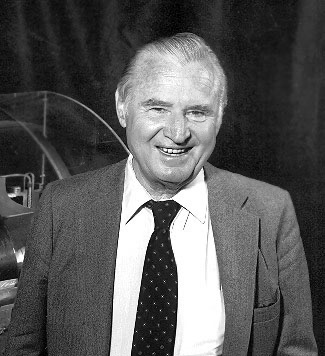
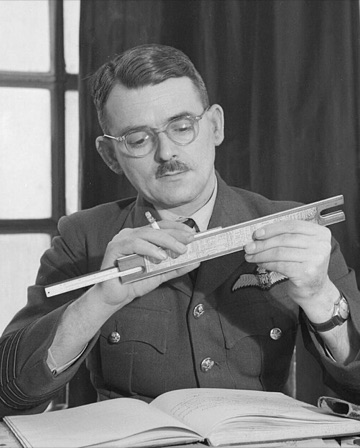
's HeS 3 engine sucked air in at the nose, compressed it, burned fuel in it and blew it out of the tail. The flight lasted about six minutes. had filed a patent for the same idea in Britain in 1930. Within thirty years the had replaced the piston engine on almost every large aircraft.
Von Ohain built his first demonstration engine with a car mechanic, Max Hahn, and in 1936 hired them both to develop it privately, without asking the air ministry. Heinkel's test pilot flew the He 178 from the company's own airfield, five days before Germany invaded Poland.
When it was shown to officials that November, the ministry was unimpressed, and the He 178 never went into production. Britain's first jet, the Gloster E.28/39 with Whittle's engine, flew in May 1941, and the first jet fighters, Germany's Me 262 and Britain's Gloster Meteor, both entered service in 1944. The He 178 itself was destroyed in a bombing raid on Berlin in 1943.
How it works
Loading the 3D model…
Specifications
- Top speed
- 600 km/h
- Wingspan
- 7.2 m
- Max weight
- 2,000 kg
- Ceiling
- —
- Range
- 200 km
- In 12 seconds
- 2 km
- Power
- HeS 3B turbojet, 4.4 kN
Where it flew
Rostock-Marienehe, Germany
Rostock-Marienehe, Germany. The Heinkel works airfield is now industrial land on the Warnow. The simulator starts here, over today's ground and imagery of the place.
Fly it yourself
Take the Heinkel He 178 up in 3D, with its real weight, wing area and power.
A jet accelerates slowly at first. Be patient on the runway.