6 years after the first twelve seconds
Blériot XI Channel-crossing aircraft
The sea is no longer a border
The story
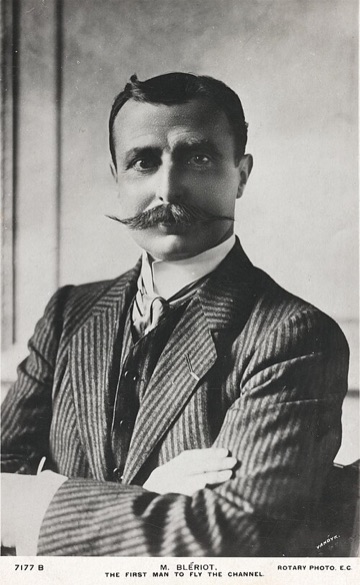
crossed the English Channel in 36 minutes with no compass, following the ships below until he saw the cliffs of Dover. The tractor propeller at the front, the single wing and the tail at the back set the layout most light aircraft still use.
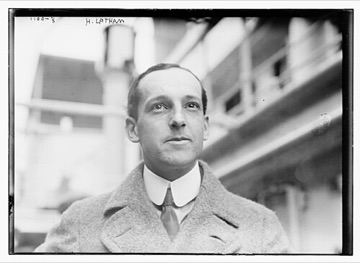
Blériot had crashed or given up on a string of earlier designs before the XI, and he took off at 4:41 in the morning on a foot still bandaged from burns in an earlier flight. The Daily Mail had offered £1,000 for the first flight across the Channel; his rival had come down in the sea six days before. Blériot landed hard in a meadow below Dover Castle, where a French journalist waved a tricolour to show him the spot.
More than a hundred orders arrived within weeks, and the XI was built in hundreds for flying schools and the first air forces. In October 1911, during the Italo-Turkish War, an Italian Blériot XI flew over Libya on the first reconnaissance flight made by an aeroplane in a war.
How it works
Loading the 3D model…
Specifications
- Top speed
- 76 km/h
- Wingspan
- 7.8 m
- Max weight
- 300 kg
- Ceiling
- 1,000 m
- Range
- 60 km
- In 12 seconds
- 253 m
- Power
- 25 hp Anzani three-cylinder
Where it flew
Calais to Dover
Les Baraques, near Calais, toward Dover. The simulator starts here, over today's ground and imagery of the place.
Fly it yourself
Take the Blériot XI up in 3D, with its real weight, wing area and power.
Cross 36 km of Channel: hold height for half an hour of real time, or just get across the field.